The #1 Mindset Trap That Kills New Investors
It's not about picking the wrong stocks. It's not about bad timing. The thing that destroys most new investors is something they never even see coming — and it has nothing to do with the market.
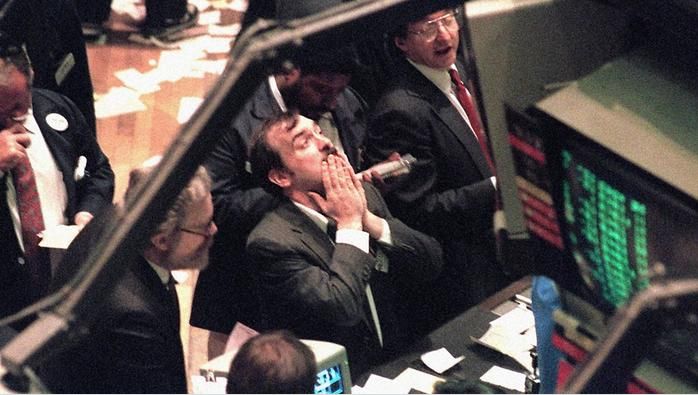
It's not about picking the wrong stocks. It's not about bad timing. The thing that destroys most new investors is something they never even see coming — and it has nothing to do with the market.
I've mentored hundreds of investors at this point. I've watched people walk into the market with fire in their eyes, real capital on the line, and what they believed was a solid plan. And I've watched the vast majority of them implode — not because of a bad stock pick, not because of a crash, not because they were unlucky.
They imploded because they were playing a game they didn't realize they were playing. And that game isn't the stock market. It's the game happening inside their own head.
Here's what it looks like from the outside: a new investor opens a brokerage account, funds it, starts reading everything — Reddit threads, Twitter finance, YouTube analysts, earnings call transcripts. They feel like they're learning. They feel like they're preparing. They feel like every hour of research is getting them closer to an edge.
Then they start trading. And they trade a lot. Multiple positions a week. Checking their portfolio every hour. Adjusting. Reacting. Moving money around like they're conducting an orchestra.
From the outside, it looks like someone who's deeply engaged with the market. From the inside, it's chaos. There's no thesis. There's no system. There's just motion — and the feeling that motion equals progress.
The most dangerous investor isn't the one who's uninformed. It's the one who's consuming information without a framework to process it. They feel confident because they're busy. But busy isn't the same as effective.
This isn't a knowledge problem. It's a psychology problem. And that's what makes it lethal.
The human brain is wired to reward activity. When you research a stock for two hours, your brain gives you a dopamine hit — you feel productive. When you execute a trade, there's a rush. When you check your portfolio and see green, even if it's a $12 gain, there's reinforcement. Your brain says: keep doing this.
But the brain doesn't distinguish between productive activity and performative activity. It doesn't know the difference between research that strengthens your thesis and research that just feeds your confirmation bias. It doesn't know the difference between a disciplined entry and an impulsive one that happens to work out.
This is how investors develop bad habits that feel good. And by the time they realize the habits are bad, the damage is already compounding.
The best investors I know — and I mean people managing serious capital, not influencers performing for cameras — have one thing in common: they are ruthlessly boring.
They don't trade often. They don't chase news. They don't react to market swings with emotional adjustments. They have a process, and they execute it with the kind of discipline that looks lazy from the outside but is actually the hardest thing in investing to sustain.
I say this to every person I mentor, and almost none of them believe me at first: the hardest skill in investing is doing nothing.
Sitting with an open position while the market swings 3% in a day. Watching a stock you sold go up another 15% and not chasing it. Seeing a "once-in-a-lifetime" opportunity and passing because it doesn't fit your criteria. That takes more discipline than any technical analysis or financial model.
The market doesn't reward people for being busy. It rewards people for being right — and being right requires patience, process, and the ability to distinguish between what feels urgent and what actually matters.
If any of this sounds familiar — and if you're honest with yourself, it probably does — here's where to start:
First, stop measuring your effort by hours spent. Start measuring it by the clarity of your process. Can you explain your investing strategy in three sentences? If not, you don't have a strategy. You have a collection of impulses.
Second, create friction between your research and your execution. Build a 24-hour rule: no trade gets placed the same day you get the idea. Sleep on it. If it still makes sense tomorrow with fresh eyes and a clear thesis, then consider it. You'll be shocked how many "obvious" trades evaporate overnight.
Third, start a decision journal. Every trade gets a written entry — before and after. What was your thesis? What happened? Were you right for the right reasons, or right by accident? This one habit separates professionals from amateurs faster than anything else I've seen.
Investing is a mental game disguised as a financial one. The people who figure that out early don't just perform better — they last longer. And in markets, longevity is the ultimate edge.

The Market Operating System is a 68-chapter program covering analytical foundations, bias architecture, valuation logic, and a complete personal decision framework — built to make you a more consistent, less emotional investor.
Explore The Program